
For many beachgoers, beach nourishment means wider beaches, better storm protection, and safer coastal communities. For surfers, it can mean something else entirely: the chance to score the wave of a lifetime.
Across the United States, some of the most memorable surf sessions in recent memory have occurred not on untouched coastlines, but on beaches reshaped by dredging, beach nourishment and coastal engineering. While beach nourishment projects are designed to combat erosion and reduce storm damage, they also can create world class surf.
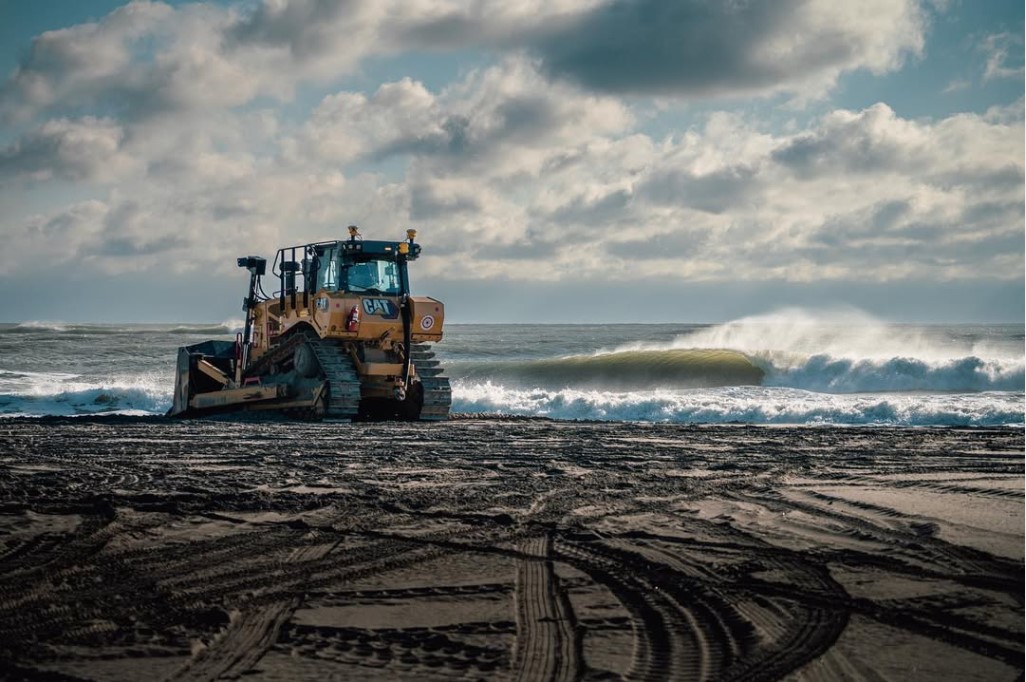
These epic moments have been featured by the world’s biggest surf media companies like Surfline, The Inertia and Stab Magazine.
Perhaps no example is more famous than "Newmibia" on New Jersey's Long Beach Island. The nickname was coined by surfers in 2018 and references Namibia's legendary sand point breaks in southwest Africa.
Following a series of storms and the interaction of engineered beaches with shifting sandbars, LBI produced long, hollow barrels rarely seen on the East Coast. East coast pro surfers described perfectly shaped tubes peeling across manmade sand formations.
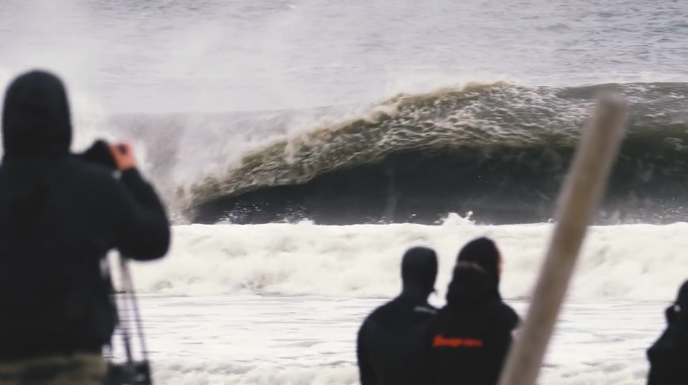
Farther south, New Smyrna Beach, Florida, has long benefited from sediment supplied through inlet dredging and navigation projects. The interaction of replenished sand, jetties, and tidal flows helps create one of the most consistent surf breaks on the East Coast. Similar dynamics occur throughout Florida's nourished shoreline, where engineered beaches frequently generate new bars and shifting peaks after major projects.
California offers its own examples. In San Clemente, beach restoration and sand placement projects have helped sustain the cobblestone and sand-bottom breaks that define Southern California surfing. Coastal engineers and surfers alike recognize that sand movement is fundamental to wave quality, and replenishment can sometimes restore sediment that development, dams, and harbor construction have interrupted for decades.
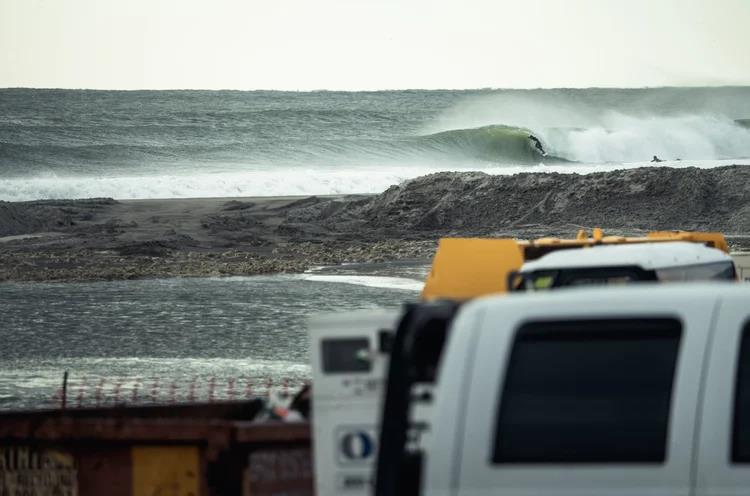
The relationship between nourishment and surfing is not always perfect. Exceptional waves are not guaranteed. Yet one fact remains clear: many of America's best surf sessions now occur on beaches influenced by human hands. As Surfline observed in its examination of engineered coastlines, some of the country's most beloved surf spots exist because nourishment, dredging, and sediment management continue to move sand where nature no longer can on its own.
From the barrels of Newmibia to the shifting peaks of Hatteras, New Smyrna, and San Clemente, beach nourishment is doing more than protecting communities from coastal storms and flooding. In some cases, it is creating the waves that surfers dream about.
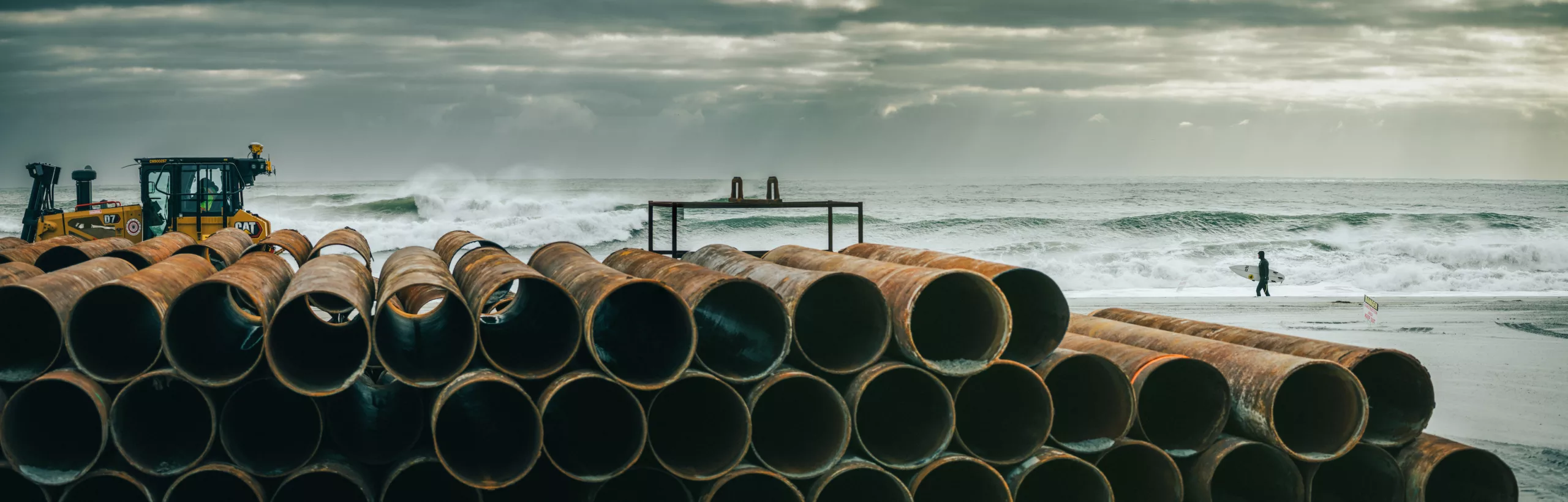
Photos By Daniel Mekis